How E-Waste Recycling Protects Soil, Water, and Air
Protecting Soil
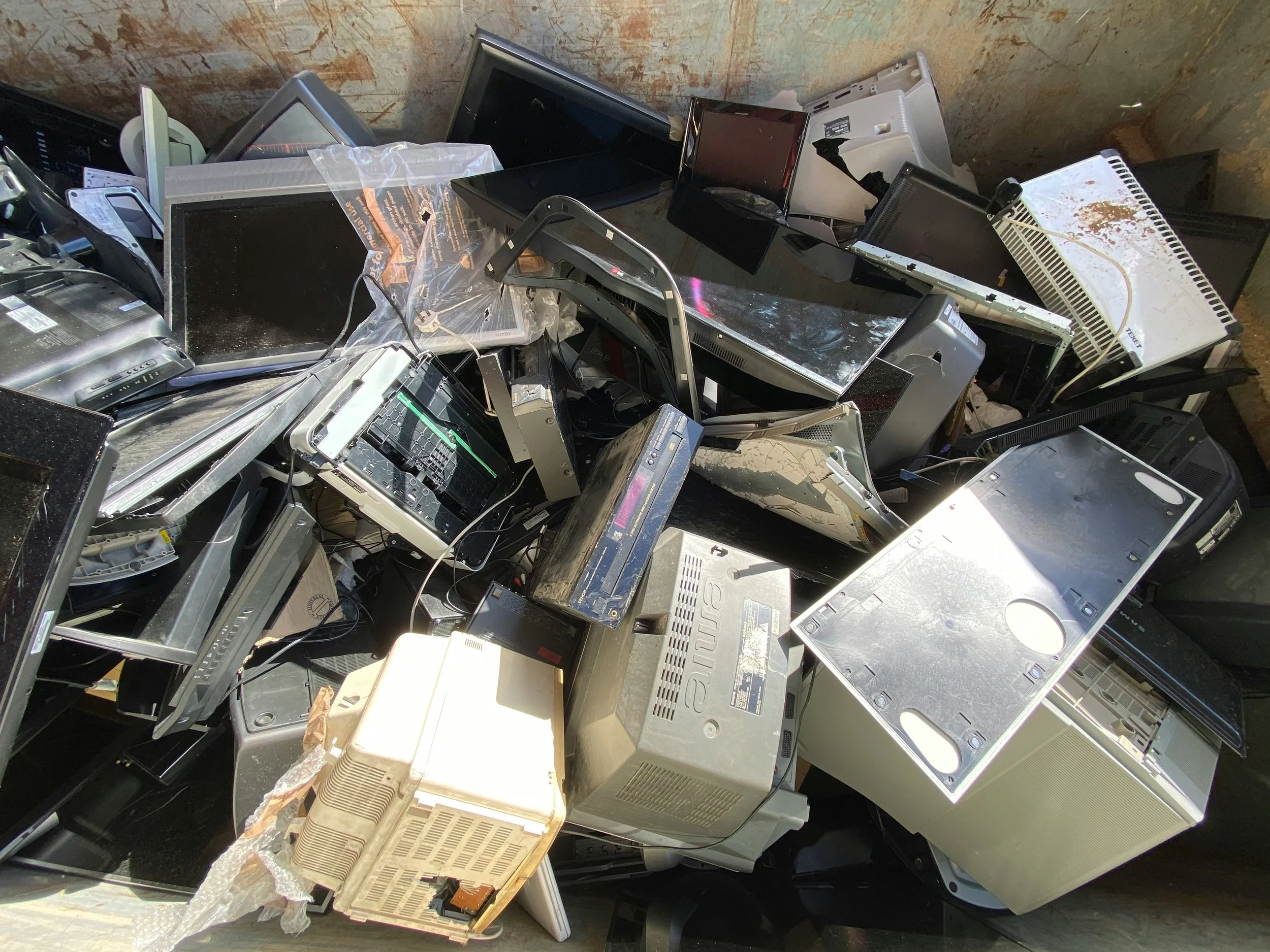
Many electronics contain toxic materials such as, Lead, Mercury, Cadmium, and Flame retardants. When electronics are dumped in landfills, these substances can slowly leak into the ground over time. Contaminated soil can:
Harm plants and wildlife
Affect agriculture
Spread pollution through ecosystems
Reduce land quality for future generations
Recycling keeps these hazardous materials out of the soil and water systems where they do not belong.
Protecting Air Quality
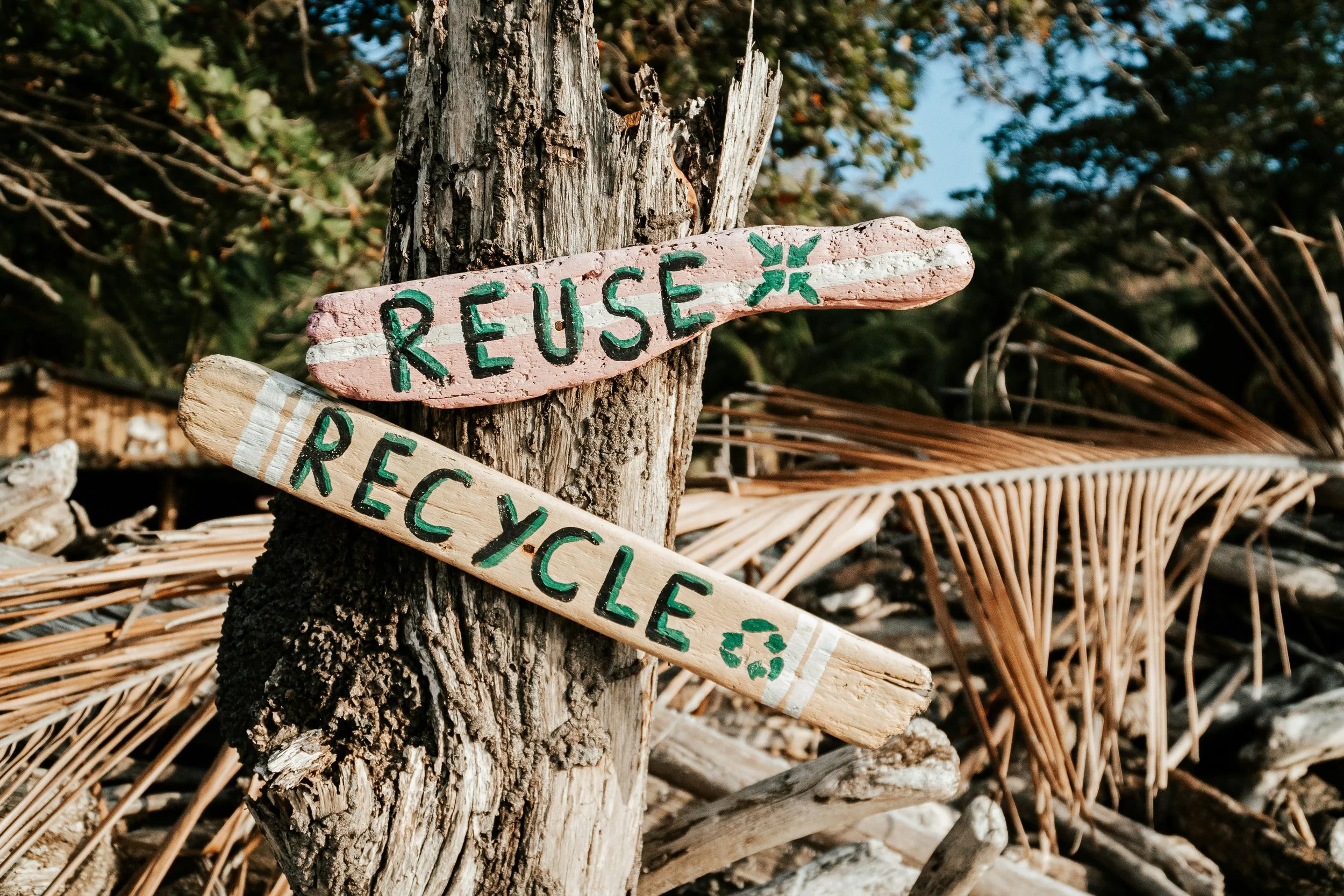
Improper burning or dismantling of electronics can release harmful pollutants into the air. These pollutants may include Toxic smoke, Heavy metal particles, and Chemical fumes.
Poor air quality can impact human health such as causing breathing conditions, wildlife and overall environmental safety. Certified recycling and safe processing methods reduce air pollution and support healthier communities.

Protecting Water
Rainwater moving through landfills can carry toxic chemicals into:
Groundwater
Streams
Rivers
Lakes
This pollution can affect drinking water, aquatic life, and surrounding communities. Proper e-waste recycling helps prevent dangerous materials from entering water systems by ensuring electronics are handled and processed safely.
Recycling Also Conserves Resources
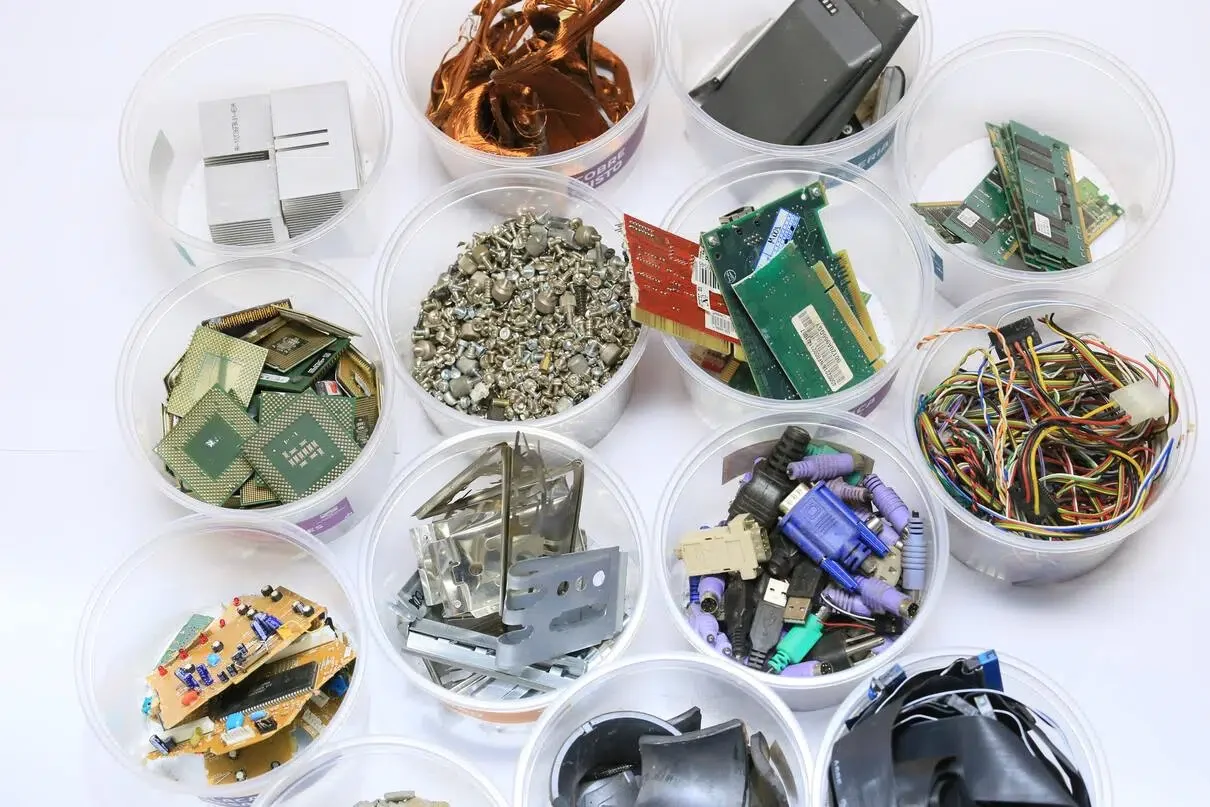
Electronics contain reusable materials like Copper, Aluminum, Steel, Gold and other Rare earth elements. Recovering these materials through recycling reduces the need for additional mining and manufacturing processes that can also damage ecosystems and create pollution.